What Is Vishing? Voice Phishing Attacks Are Rising in India
Do you know what Vishing is and what impacts it has on the victims? If not, then you are at the right place. Here, we will talk about what Vishing is, its targets, related impacts, and dedicated solutions to deal with them in detail.
Moreover, we will introduce you to a reliable phishing simulation program offered by a reputable VAPT service provider. What are we waiting for? Let’s get straight to the topic!
What Is Vishing?
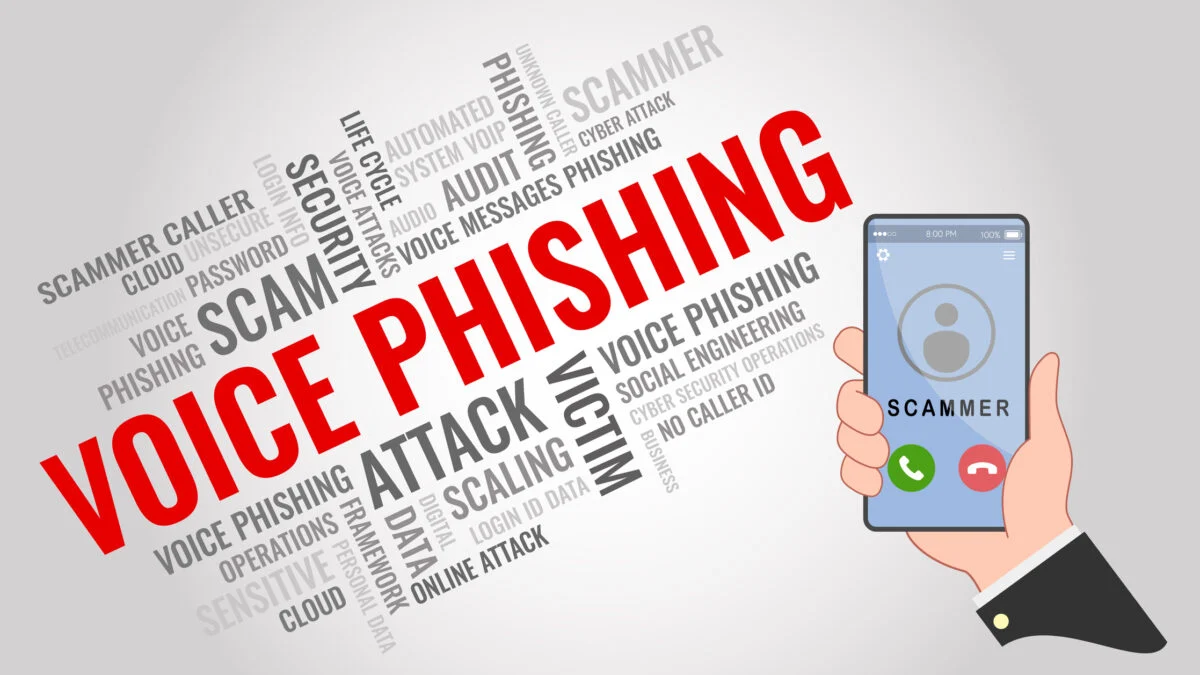
Vishing, sometimes known as "voice phishing," is a type of social engineering attack in which con artists utilize voice messages or phone calls to trick victims into disclosing private or confidential company information. In order to get beyond emotional protections, attackers often pose as trusted authorities, such as bank employees, IT support staff, or governmental organizations.
Vishing operations successfully deceive targets into providing passwords, multi-factor authentication codes, or financial credentials over the phone by combining caller ID spoofing with attractive social engineering techniques.
Let’s talk about what Vishing is, its targets, impacts, and prevention techniques for better security measures!
Why Vishing Attacks Are Rising Rapidly in India?
|
S.No. |
Factors |
Why? |
|
1. |
Hyper-Growth of UPI and Digital Payments |
Scammers can quickly deplete funds by using phony QR codes or misleading "collect requests" due to the enormous amount of real-time transactions. |
|
2. |
Proliferation of AI Voice Cloning Tools |
Attackers undermine emotional shields by using readily available AI to mimic the precise voices of dependable family members or coworkers from brief audio samples. |
|
3. |
Widespread Use of Mobile Messaging for Staging |
Before launching the voice attack, scammers use Telegram and WhatsApp to deliver initial, frightening alerts or phony courier receipts. |
|
4. |
Exploitation of Fear via "Digital Arrests" |
By posing as CBI or customs authorities over video and voice calls and threatening swift legal incarceration, scammers use systemic fear. |
|
5. |
Large-Scale Data Breaches Providing Context |
Attackers can make their fraudulent pitches very convincing by using precise personal information, bank names, and Aadhaar data from stolen databases. |
How Cybercriminals Obtain Victims’ Phone Numbers?
Cybercriminals obtain victims’ phone numbers in the following ways:
1. Corporate Data Breaches and Dark Web Marketplaces: Massive user datasets with unencrypted contact information are dumped into underground forums by hackers who break into company systems.
2. Malicious Info-Stealer Apps and Malware: Once they have user authorization, Trojanized applications steal device contact lists, SMS records, and personal profile configurations.
3. Scraping Public Profiles and Social Media: Mobile numbers that are visible to the public on websites like Facebook, LinkedIn, and classified ads are methodically gathered by automated bots.
4. Shady Data Brokers and Aggregators: Unregulated third-party marketing firms surreptitiously gather, bundle, and sell large consumer demographic databases to bad actors.
5. Phishing and Deceptive Web Forms: Scammers utilize phony delivery tracking pages and fraudulent lottery pop-ups to fool visitors into freely providing their contact information.
How Vishing Works: The Step-by-Step Attack Process
In the following ways, vishing works:
● Target Selection and Reconnaissance: Attackers obtain phone numbers and personal information through social media tracking, brokers, or data breaches.
● The Hook and Caller ID Spoofing: In order to conceal their genuine identities as reliable organizations, scammers use VoIP technology to create authentic phone numbers.
● Psychological Manipulation: In order to prevent rational thought, the caller creates a fictitious emergency by appealing to authority, fear, or panic.
● Exploitation and Action: During the call, the victim is coerced into revealing financial verification codes, OTPs, or critical credentials.
● Monetary Theft or Environmental Compromise: Fraudsters use the stolen information to infiltrate company internal networks or quickly deplete banking apps.
Common Types of Vishing Scams Targeting Indians
|
S.No. |
Types |
What? |
|
1. |
The "Digital Arrest" Scam |
Fraudsters use video calls to pretend to be federal agents, creating fictitious crimes to keep victims in "virtual custody" until they send money for extortion. |
|
2. |
The UPI & Electricity Bill Fraud |
Attackers threaten to cut off the victim's electricity right away unless they get a modest, urgent payment using a rogue UPI link, which would deplete their account. |
|
3. |
Bank Customer Care & Credit Card Upgrades |
To fool consumers into disclosing OTPs and CVVs, scammers pretend to be bank executives offering reward point redemptions or credit limit increases. |
|
4. |
AI-Driven Emergency Voice Cloning |
Short audio snippets are used by criminals to mimic the voice of a relative and call families in a panic, pretending to have an emergency in order to demand quick money transfers. |
|
5. |
KBC Lottery & Kaun Banega Crorepati Baits |
Targets get calls saying they won a big TV lottery, but they have to pay "processing fees" and "government taxes" in advance before the prize can be released. |
AI-Powered Voice Cloning: The New Face of Vishing
Vishing has changed as a result of AI-powered voice cloning, which enables attackers to mimic a target's precise tone, timbre, and speech patterns from a few seconds of public audio. Fraudsters can completely forsake pre-written scripts and get around human emotional defenses in high-pressure situations by combining these same synthetic voices with real-time AI conversational capabilities.
The Financial and Emotional Impact of Vishing Scams
The following are the financial and emotional impacts of vishing scams:
a) Devastating Life-Savings Losses: Families often lose all of their generational savings, mutual investments, or retirement monies in one morning.
b) Immediate Debt and Financial Distress: In order to cover unexpected overdrafts or satisfy coerced extortion demands, victims are compelled to take out high-interest personal loans.
c) Severe Psychological Trauma and Guilt: Targets that fall prey to well-planned manipulation techniques experience intense anxiety, intense shame, and self-blame.
d) Erosion of Trust in Digital Ecosystems: People who survive an attack fully stop using digital services, mobile payment systems, and internet banking out of fear.
e) Strained Interpersonal Relationships: Strong marital disputes, domestic blame, and strained family relationships are frequently brought on by the unexpected, disastrous financial burden.
The Role of Mule Accounts in Laundering Stolen Funds
|
S.No. |
Factors |
What? |
|
1. |
Breaks the Direct Audit Trail |
Diverts funds from the hacker's true identity, compelling law enforcement to look into unrelated or innocent people. |
|
2. |
Facilitates Multi-Tiered "Layering" |
Transfers pilfered funds quickly between several accounts at various banks in order to conceal the source of the money. |
|
3. |
Acts as a Sacrificial Buffer |
Protects the core cybercriminals by acting as a disposable shield that absorbs the initial bank freeze or police intervention. |
|
4. |
Enables "Cash-Out" Operations |
Uses quick ATM withdrawals or expensive cryptocurrency purchases to turn the digital wealth into untraceable cash. |
|
5. |
Powers "Mule Account as a Service" (MaaS) |
Supports a dark-web market where hackers may lease pre-verified bank accounts from organized syndicates on demand. |
What to Do If You Become a Victim of Vishing?
You should do the following tasks if you become a victim of vishing:
1. Freeze All Financial Accounts: Block your credit/debit cards, suspend access to online banking, and freeze associated UPI accounts right away by calling your bank or using their app.
2. Report to the Cyber Crime Portal: To initiate transaction-blocking procedures, call the national cyber fraud helpline at 1930 or visit cybercrime.gov.in within the first hour.
3. Secure Your Digital Identity: All of your key email accounts, social media accounts, and banking portals should have their passwords changed, and any unauthorized active sessions should be terminated.
4. File a Local Police Complaint: To submit a formal First Information Report (FIR) and copies of your transaction records, go to the closest local cyber police cell.
5. Alert Your Contact Network: Notify your close friends, family, and coworkers that someone may impersonate you in order to borrow money or initiate follow-up scams.
Reporting via the National Cyber Crime Portal (1930) and Chakshu
While Chakshu (accessible through the Sanchar Saathi portal) is a proactive tool used only to report attempted or suspected fraud communications received via calls, SMS, or WhatsApp before any money is lost, the National Cyber Crime Portal (1930) is an emergency hotline designed for reporting actual financial losses from cyber fraud so authorities can immediately freeze stolen funds.
Conclusion: Staying Safe from Vishing in the Digital Age
Now that we have talked about what Vishing is, you might want to get a dedicated security solution to evade such events from a reliable source. For that, you can go for PhishNext, a dedicated phishing simulation platform offered by Craw Security.
PhishNext can help you confront such phishing attacks in simulation form, so you can learn how to stay away from such attempts and prepare for future scenarios. What are you waiting for? Contact, Now!
Frequently Asked Questions
About Vishing
1. What is voice phishing or vishing?
Vishing, often known as "voice phishing," is a type of social engineering attack in which thieves deceive people into disclosing important personal, financial, or organizational information by using phony phone calls and psychological manipulation.
2. Is vishing on the rise?
Yes, there has been a 442% increase in vishing assaults due to the growing usage of generative AI voice cloning technologies by cybercriminals to get around conventional workplace email filters.
3. What are the top 5 cyber crimes in India?
The following are the top 5 cyber crimes in India:
a) Financial & UPI Fraud,
b) "Digital Arrest" & Impersonation Scams,
c) Identity Theft & AI Voice/Deepfake Fraud,
d) Cyberstalking and Bullying, and
e) Ransomware & Corporate Data Breaches.
4. What are the 4 types of attacks?
The following are the 4 types of attacks:
a) Interception (Attack on Confidentiality),
b) Modification (Attack on Integrity),
c) Fabrication (Attack on Authenticity), and
d) Interruption (Attack on Availability).
5. What is an example of vishing?
Receiving a call from someone posing as your bank manager who scares you with a fictitious account freeze in order to fool you into reading out an SMS OTP is an example of vishing.
6. What are the 7 signs of phishing?
The following are the 7 signs of phishing:
a) High-Pressure or Urgent Language,
b) Mismatched or Spoofed Sender Addresses,
c) Suspicious Links or Altered URLs,
d) Generic Greetings,
e) Requests for Sensitive Personal Data,
f) Unusual Attachments, and
g) Poor Spelling and Grammar.
7. What are five common vishing attacks?
The following are the five common vishing attacks:
a) The "Digital Arrest" and Law Enforcement Impersonation,
b) Bank Support and Credit Card Fraud,
c) AI-Powered Voice Cloning Scams,
d) Tech Support and Software Malfunctions, and
e) Utility Disconnection and Bill Delinquency Threats.
8. What are the five main types of phishing attacks?
The following are the five main types of phishing attacks:
a) Email Phishing (Mass Phishing),
b) Spear Phishing,
c) Whaling,
d) Smishing (SMS Phishing), and
e) Vishing (Voice Phishing).
9. What are two warning signs of phishing?
The following are two warning signs of phishing:
a) Extreme Urgency or Scare Tactics, and
b) Mismatched or Spoofed Sender Details.