Top 10 Benefits of Running Phishing Simulations in Your Organization
Do you know what Phishing Simulations are and how they can help you improve your working environment’s security measures? If not, then you are at the right place. Here, we will talk about what Phishig Sumulations are and their benefits in detail.
Moreover, we will introduce you to a reliable phishing simulation solution offered by a reputable VAPT service provider. What are we waiting for? Let’s get started!
Why Phishing Simulations Are Essential for Modern Cybersecurity?
Phishing simulations are essential for modern cybersecurity for the following reasons:
1. Conditions Human Defenses Against Social Engineering: Employs frequent, practical exposure to teach staff members how to spot and fend against phishing scams.
2. Provides Actionable Data and Risk Metrics: Finds departments that are at risk and monitors click-rate patterns over time to direct focused security spending.
3. Tests the Speed and Effectiveness of Incident Reporting: Assesses the speed at which staff members report questionable messages, confirming the effectiveness of the SOC's reaction pipeline.
4. Reduces the Financial Shock of Real Breaches: Reduces the attack surface of an organization, thus reducing the risk of expensive ransomware infestations or wire fraud.
5. Fulfills Strict Compliance and Insurance Mandates: Meets the needs of cyber insurance and regulatory systems that require evidence of current security awareness training.
What are Phishing Simulations?
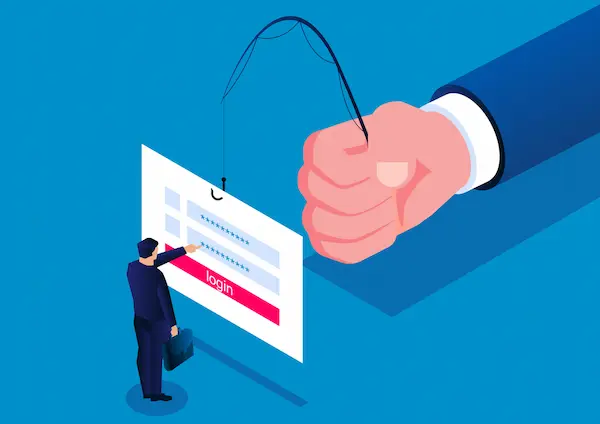
Organizations utilize phishing simulations, which are controlled cyberattack drills, to test and teach their employees' abilities to identify and report social engineering strategies by sending them realistic, fake phishing emails.
In addition to measuring an organization's susceptibility to human mistake, these exercises give those who fall for the trick fast, practical, instructive feedback.
How Do Phishing Simulations Work?
|
S.No. |
Steps |
How? |
|
1. |
Campaign Design and Template Selection |
Mock phishing emails that imitate real-world lures, such as phony password resets or critical HR updates, are selected or customized by administrators. |
|
2. |
Targeted Distribution |
To stop employees from informing one another, the fake emails are automatically sent to particular groups or the entire workforce at staggered intervals. |
|
3. |
Behavior Tracking and Monitoring |
By recording who opened the email, who clicked the fraudulent link, who input data, and who successfully reported it, the system surreptitiously monitors user behavior. |
|
4. |
Just-in-Time Micro-Learning |
Workers who fall for the simulation are immediately taken to a quick, interactive training page that explains the warning signs they overlooked. |
|
5. |
Analytics and Campaign Refining |
In order to identify high-risk departments and modify the level of difficulty of upcoming training programs, leadership examines the final click and report rates. |
Top 10 Benefits of Phishing Simulations in Your Organization
The following are the top 10 benefits of phishing simulations in your organization:
● Improve Employee Awareness of Phishing Attacks: Transforms theoretical understanding into useful abilities, assisting employees in identifying tiny warning signs in actual communications.
● Identify Human Vulnerabilities Before Attackers Do: Prevents actual adversaries from taking advantage of particular departments or users who require more training.
● Strengthen Your Organization’s Security Culture: Transforms security from a remote IT issue to a daily shared responsibility for the entire organization.
● Reduce the Risk of Data Breaches and Financial Losses: Strengthens the human perimeter to prevent expensive ransomware, wire fraud, and credential theft from entering.
● Measure the Effectiveness of Security Awareness Training: Provides concrete evidence of whether your overall educational expenditures are indeed altering user behavior.
● Enhance Incident Reporting and Response Readiness: Teaches staff members how to use the "report phishing" button, which helps the SOC identify actual threats more quickly.
● Support Compliance and Regulatory Requirements: Keeps your business in compliance with frameworks that call for frequent threat awareness tracking, such as SOC 2, HIPAA, and PCI-DSS.
● Build Employee Confidence in Recognizing Threats: Empowers employees to securely traverse their inboxes by substituting clear strategies for uncertainty and fear.
● Gain Actionable Security Metrics and Insights: Keeps track of specific click-rates, report-rates, and trends in improvement over time to present to leadership.
● Create a Continuous Improvement Cycle for Cybersecurity: Modify campaign challenges over time to make sure your staff adapts to rapidly evolving attacker tactics.
Best Practices for Conducting Effective Phishing Simulations
The following are the best practices for conducting effective phishing simulations:
a) Emphasize Education Over Punishment: To foster a culture of proactive reporting and trust, prioritize constructive coaching over punishment or shame.
b) Vary the Difficulty and Tactics: To replicate actual attacker behavior, use a combination of wide, straightforward lures and more complex, focused spear-phishing situations.
c) Stagger the Delivery (Phased Randomization): To prevent employees from alerting their coworkers, send fake emails in sporadic bunches across several days or weeks.
d) Provide Immediate, Bite-Sized Feedback: Instantaneously provide users who click the link with brief, visual training instructions while the error is still fresh in their minds.
e) Track the "Report Rate" as Your Primary Success Metric: The best measure of a resilient workforce is a high report rate, so find out how many employees effectively identify the threat.
Common Mistakes to Avoid When Running Phishing Tests
|
S.No. |
Mistakes |
What? |
|
1. |
Using "Gotcha" or Cruel Lures |
Steer clear of deploying phony Christmas bonuses or significant policy changes that undermine employee confidence and lower corporate morale. |
|
2. |
Punishing Employees Who Fail |
Avoid using public humiliation or disciplinary measures, which instill fear and prevent people from reporting actual incidents. |
|
3. |
Testing Only Once or Twice a Year |
Employees quickly forget their training and are unable to stay up to date with evolving dangers, so they should avoid testing them infrequently. |
|
4. |
Ignoring the "Report Rate" |
A high report rate is what truly demonstrates your team's ability to aggressively prevent breaches, so don't only concentrate on who clicked. |
|
5. |
Making Tests Way Too Easy |
Steer clear of obvious, badly written templates that give employees a false sense of security and don't adequately educate them for sophisticated attacks. |
Conclusion: Turning Employees into Your First Line of Defense
Now that we have talked about what Phishing Simulations are, you might want to get your hands on a dedicated phishing simulation solution from a reliable source. For that, you can go for PhishNext, a dedicated phishing simulation platform offered by Craw Security.
Users will be able to confront various phishing attack simulations via PhishNext, and with time, they will be able to evade such attacks with ease. Thus, you will be able to have a secure working environment. What are you waiting for? Contact, Now!
Frequently Asked Questions
About Phishing Simulations
1. What Is a Phishing Simulation and How Does It Work?
A phishing simulation is a controlled training exercise in which a company sends employees realistic, fictitious phishing emails in order to assess and enhance their capacity to identify and report social engineering attempts.
2. Why Are Phishing Simulations Important for Cybersecurity Awareness?
Phishing simulations are important for cybersecurity awareness for the following reasons:
a) Bridges the Gap Between Theory and Practice,
b) Builds "Muscle Memory" for Incident Reporting,
c) Provides Immediate, Retainable Lessons,
d) Exposes Hidden High-Risk Areas, and
e) Creates a Culture of Collective Defense.
3. How Often Should Organizations Conduct Phishing Simulations?
To maintain security at the forefront of employees' minds and create enduring muscle memory without wearing them out, organizations should run phishing simulations once a month.
4. Can Phishing Simulations Reduce the Risk of Cyberattacks?
Yes, phishing simulations significantly lower the danger of cyberattacks by teaching staff members how to identify and report threats, thereby eliminating the human security flaws that lead to more than 80% of data breaches.
5. What Types of Phishing Attacks Can Be Simulated?
The following types of phishing attacks can be simulated:
a) Spear Phishing,
b) Link-Based Phishing (Credential Harvesting),
c) Attachment-Based Phishing,
d) Whaling (Executive Phishing), and
e) CEO Fraud / Business Email Compromise (BEC).
6. How Do Phishing Simulations Help Identify Vulnerable Employees?
Phishing simulations help identify vulnerable employees in the following ways:
a) Pinpoints Direct Action Failures,
b) Exposes Susceptibility to Specific Emotional Lures,
c) Highlights Repeat Offenders,
d) Uncovers Departmental and Role-Based Risks, and
e) Measures Passive Vulnerability (The Non-Reporters).
7. Are Phishing Simulations Suitable for Small Businesses?
Yes, phishing simulators are very appropriate and crucial for small businesses since they offer an inexpensive, simple-to-automate defense against the targeted cyberattacks that cause 60% of small businesses to close following a breach.
8. What Metrics Should Be Measured During a Phishing Simulation?
The following metrics should be measured during a phishing simulation:
a) Phishing Hook Rate (Click Rate),
b) Phishing Report Rate,
c) Time-to-Report Velocity,
d) Repeat Offender Ratio, and
e) Macro Failure Trends (by Department or Lure Type).
9. How Can Organizations Improve Results After a Phishing Simulation?
Organizations can improve results after a phishing simulation in the following ways:
a) Deliver Instant, Micro-Learning Moments,
b) Provide Positive Recognition for Reporting,
c) Deploy Target-Coaching for High-Risk Users,
d) Share Transparent, Company-Wide Defeat and Success Trends, and
e) Use the Data to Build Smarter, Dynamic Next Steps.
10. What Are the Best Practices for Running Effective Phishing Simulations?
The following are the best practices for running effective phishing simulations:
a) Emphasize Education and Trust Over Punishment,
b) Vary the Difficulty and Lure Techniques,
c) Stagger Delivery via Phased Randomization,
d) Focus on the "Report Rate" as Your North Star Metric, and
e) Provide Immediate, Bite-Sized Micro-Learning.