Phishing Kit Kali365 Flagged by the FBI Expanded Its Reach
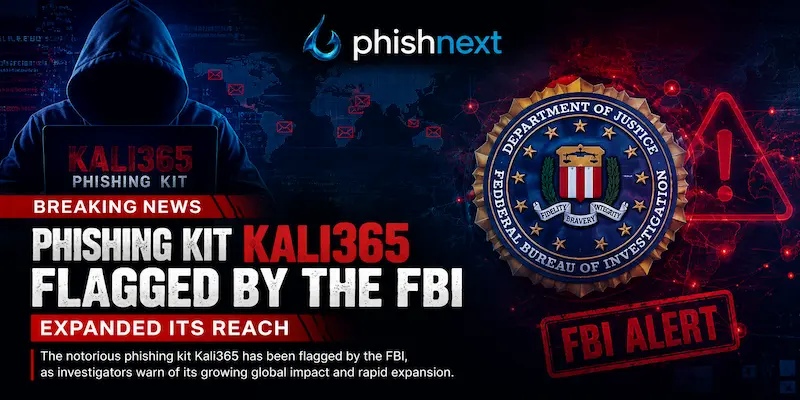
“The phishing-as-a-service platform, which previously only targeted Microsoft 365, now uses device code phishing to target AWS, Okta, and Russian platforms.”
The administrators of Kali365, a phishing-as-a-service platform that gained a lot of attention for assisting attackers in getting around Microsoft 365 accounts' multifactor authentication (MFA), have greatly expanded both their target list and their capabilities.
Arctic Wolf, Report
Kali365 has evolved from a phishing kit that just targets Microsoft to a more comprehensive account-compromise platform that targets digital identities across AWS, Okta, Xerox DocuShare, and a number of Russian online sites.
The most prominent of these is MAX Messenger, a messaging app supported by the Russian government that has over 80 million users and is marketed as the nation's communication service.
Arctic Wolf
|
The entry of Kali365 into Russian online services such as MAX Messenger implies "a deliberate, consistent focus on Russian consumer-Internet platforms, alongside the operator's existing Western enterprise targets."
"One of the biggest installed message bases in the Russian-speaking globe is available to a phishing operator who can turn MAX account takeovers into dissemination."
"By giving less experienced attackers access to AI-generated phishing lures, automated campaign templates, real-time targeted individual/entity tracking dashboards, and OAuth token grab capabilities, Kali365 reduces the barrier of entry." |
A Risky Increase in Targeting
In recent months, Kali365 has become one of the more well-known instances of a device code phishing kit. When smart TVs, printers, and other gadgets don't have a full browser or keyboard and require users to log in using a different device, device code phishing exploits the authentication protocol.
For instance, it's the code that a streaming device, such as an Apple TV or Roku, may show on a smart TV screen. The user would then enter the code on their computer or phone to finish the login process and connect the two devices.
A threat actor creates a genuine OAuth 2.0 device authorization request in a device code phishing attack, then uses a phishing email that mimics a shared OneDrive file or a security verification prompt, for example, to trick a victim into entering the associated code on a legitimate login page.
The service, in Kali365's example, first issues access tokens to the attacker's session after the victim authenticates and completes all necessary MFA steps. This allows the attacker to access the victim's account without ever needing their credentials.
Because the victim is inadvertently completing the authentication procedure on behalf of the attacker, MFA does not prevent compromise in these assaults.
The FBI warned users about Kali365 and explained how the assault operates in a public service advisory last month due to the attack's sneaky nature.
An Increasing Danger in All Sectors and Areas
According to Arctic Wolf's study of the operation, Kali365 has grown considerably more dangerous in recent weeks. The platform's live command-and-control (C2) infrastructure was identified by the company's researchers, who then discovered a cluster of 126 malicious hosts that served the same kit and were active between early and late May.
Arctic Wolf
Numerous platforms, such as Microsoft Outlook, Microsoft Live, Okta SSO, Xerox DocuShare, the German email provider GMX, Amazon Web Services naming conventions, and several significant Russian online services, including Mail.ru, Yandex Disk, and the social network Odnoklassniki, are impersonated by the hosts.
Kali365 has changed from being a specialized platform for obtaining M365 tokens to a much broader credential theft platform that poses a threat to enterprises across geographies, as seen by the vast scope of the impersonated sites.
Arctic Wolf, Security Vendor
|
"To give users the skills necessary to promptly recognize and report suspicious activity, including the strategies used in this campaign, Arctic Wolf strongly advises putting in place thorough security awareness training." |
Additionally, the company's research offered specific steps that businesses should take to identify potentially harmful Kali365-related conduct. Threat actors now have access to a number of device code phishing kits, including Kali365. Other instances are CYB3R, Venom, and Tycoon2FA.
There has been a "huge spike" in device code phishing activity, according to a recent analysis from Push Security, and there are currently at least 14 such kits out there. These include both new and old phishing-as-a-service systems that incorporate device code functionality.
Arctic Wolf
|
"When device code authorization permissions are frequently granted across various apps, security teams must take into account the potential of device code phishing, especially for developers and technical users."
"In a perfect world, device code logins would just be blocked. However, in some situations, this cannot be done without creating a significant disturbance, and some apps just lack the necessary features." |
Conclusion
Now that we have talked about how this event happened, you might want to get a dedicated solution to fight against such phishing attacks. For that, you can go for PhishNext, a dedicated phishing simulation platform offered by Craw Security.
This platform offers a huge opportunity for users to practice while confronting various types of phishing attack simulations. Thus, you can rely on this platform to fight against future phishing attacks. What are you waiting for? Contact, Now